
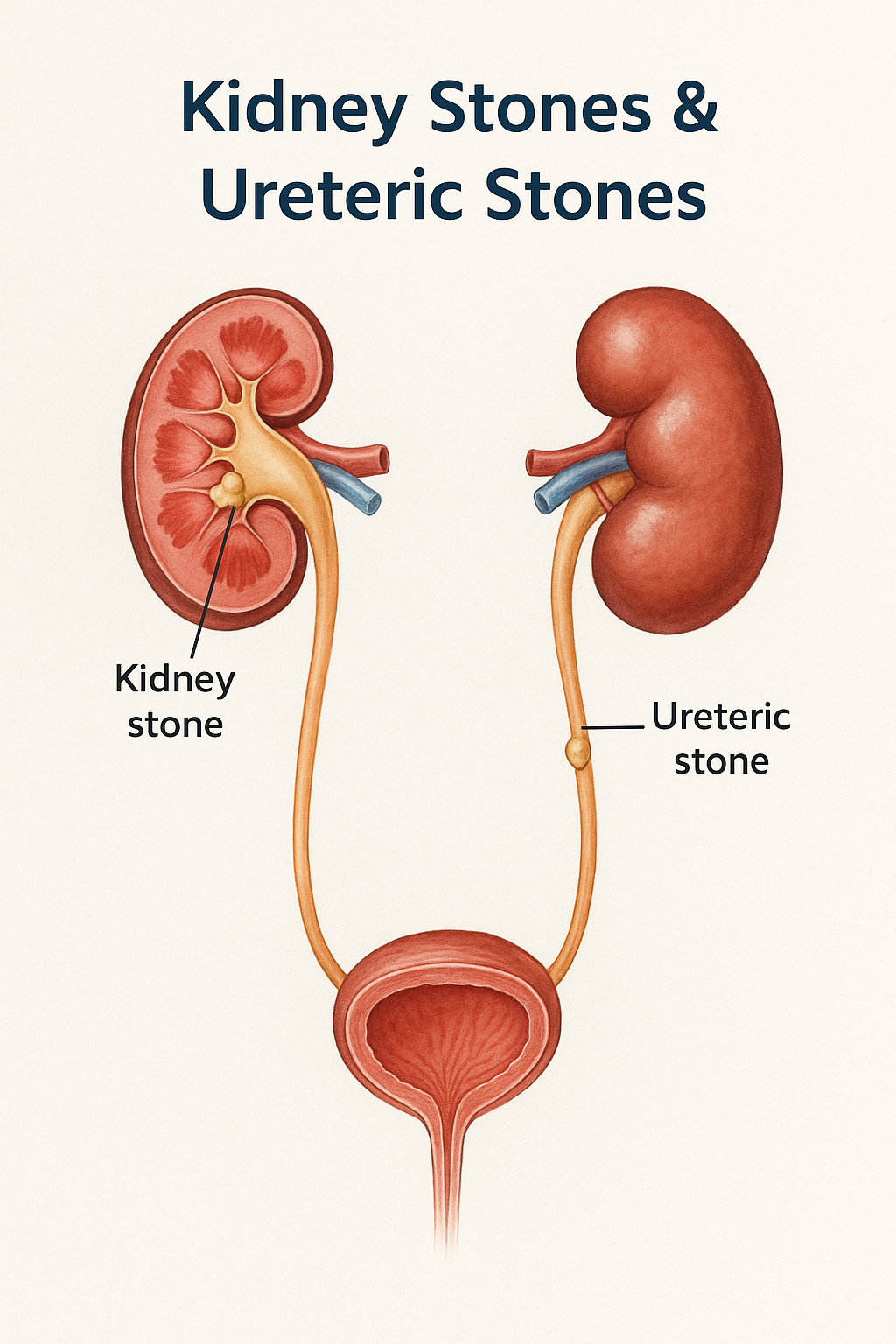
Types of Stones.
- Calcium stones (most common):
- Calcium oxalate or calcium phosphate
- Uric acid stones
- Struvite stones (infection-related)
- Cystine stones (rare, genetic)
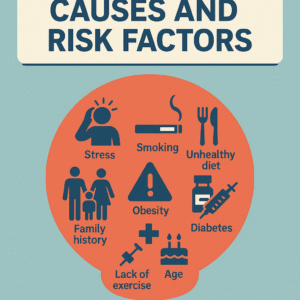
Causes and Risk Factors.
- Low fluid intake (dehydration)
- High intake of protein, salt, or oxalate-rich foods
- Obesity
- Family history of stones
- Certain medical conditions (e.g., gout, hyperparathyroidism)
- Medications (e.g., diuretics, calcium-based antacids)
Symptoms.
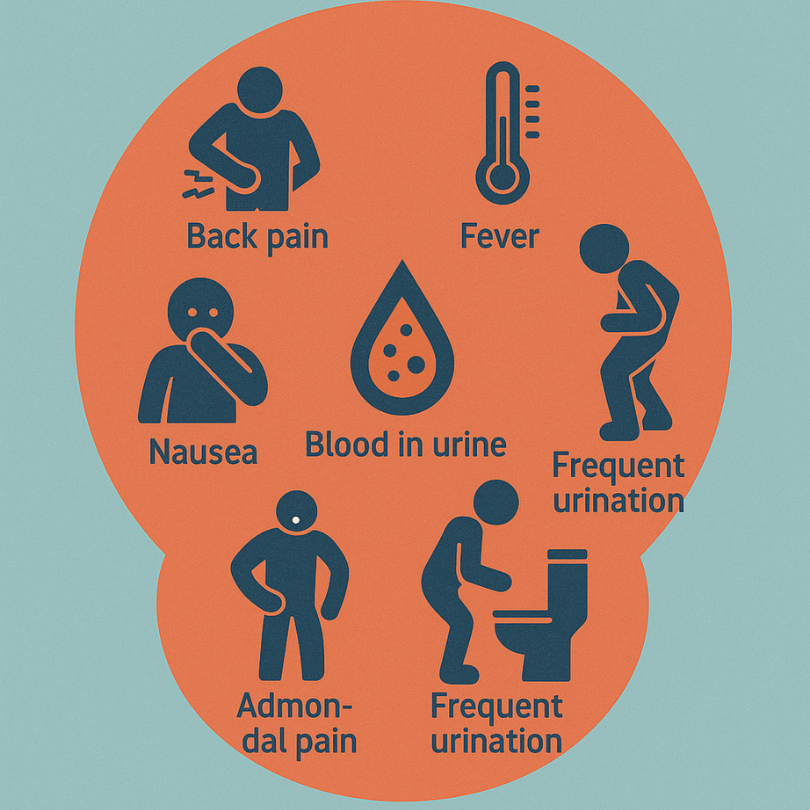
- Severe flank pain (renal colic)
- Pain radiating to the groin
- Nausea and vomiting
- Hematuria (blood in urine)
- Dysuria (painful urination)
- Urgency and frequency (if near the bladder)
- Fever and chills (if infection is present)

Treatment Options.
- Conservative (for small stones <5 mm):
- Hydration (2–3 liters/day)
- Pain control (NSAIDs, opioids)
- Alpha-blockers (e.g., tamsulosin) to relax ureter muscles
- Interventional (if large, obstructive, or infected):
- Extracorporeal Shock Wave Lithotripsy (ESWL) – breaks stones via sound waves
- Ureteroscopy (URS) – endoscopic stone retrieval or laser fragmentation
- Percutaneous Nephrolithotomy (PCNL) – for large or complex renal stones
- Open surgery – rarely needed